Corrosion destroys metal assets silently and relentlessly. Across oil, gas, and industrial sectors, it triggers pipeline failures, unplanned shutdowns, and catastrophic safety incidents — all at eno...
Foam builds up faster than most operators anticipate. In oil and gas systems, excessive foam cuts throughput and chokes separators. Unplanned shutdowns follow within minutes. Every hour of foam-relate...
Microbial contamination silently destroys pipelines every single day. Sulfate-reducing bacteria corrode steel. Acid-producing microbes foul injection systems. These threats cost the oil and gas indust...
Equipment rarely fails overnight. It fails because of wrong lubrication chemistry — and by the time wear becomes visible, the damage is already done. Friction, oxidation, foam, and thermal breakdown...
Wellbore instability does not announce itself — it quietly escalates into stuck pipe, lost circulation, and days of costly nonproductive time. Across global drilling operations, clay swelling, hydra...
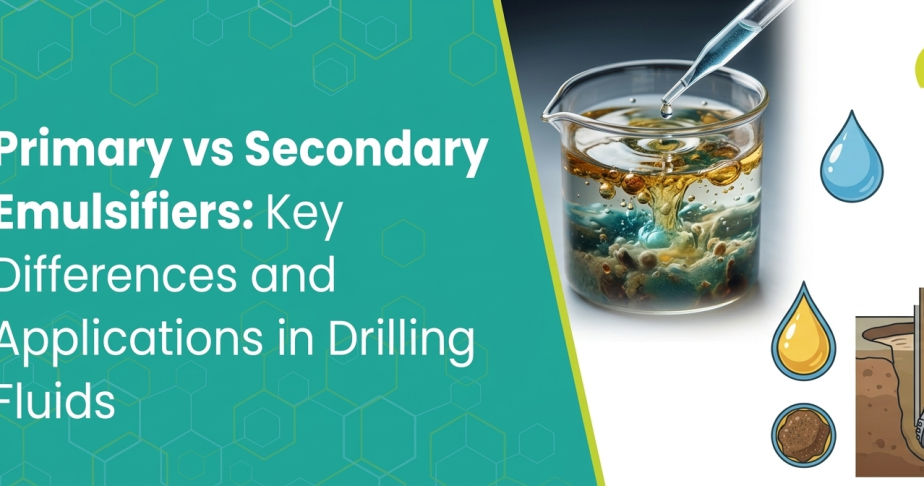
Drilling fluid performance does not happen by chance. Behind every stable oil-based mud system lies a precisely balanced chemistry, and emulsifiers sit at the heart of it. Among all drilling fluid add...
Drilling fluid failure does not announce itself. One moment the emulsion holds. The next, it breaks — and the entire wellbore operation pays the price. Unstable oil-based drilling fluids cause stuck...
Engine knock costs refineries millions every year. It signals poor combustion, wasted fuel energy, and accelerated equipment damage. For fuel blenders, refineries, and distributors operating at scale,...
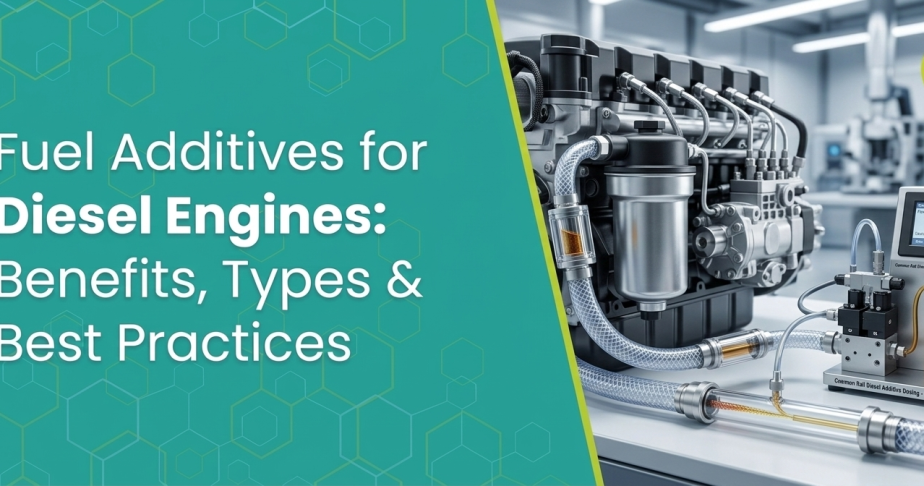
Diesel engines power industries, fleets, and heavy machinery worldwide. Yet even the best diesel fuel cannot deliver peak engine performance alone. That is where fuel additives come in. Fuel additives...
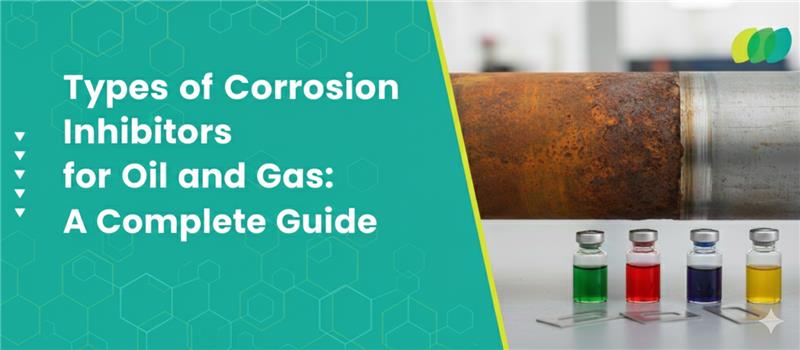
Corrosion silently drains industrial budgets every single year. Global corrosion-related losses exceed $2.5 trillion annually. That figure accounts for nearly 3.4% of worldwide GDP. Most facilities...
Fuel specifications keep getting tighter. Emissions standards are not getting any easier. And refineries are expected to deliver premium-grade gasoline without blowing up blending costs. Sounds fam...
The oil and gas sector runs on more than rigs and pipelines—it runs on chemicals. It is estimated to reach USD 35.46 billion by 2030, the oilfield chemicals market ensures c...
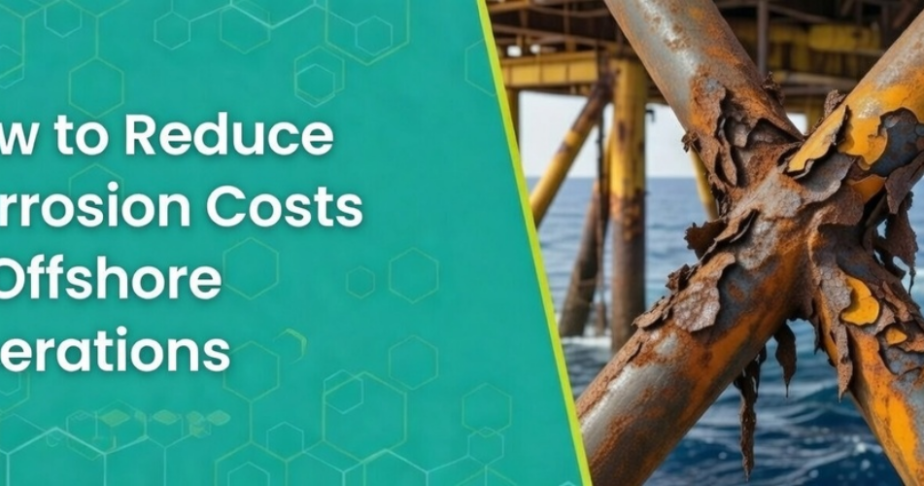
Corrosion drains billions from offshore oil and gas operations every year. NACE International estimates global corrosion costs exceed $2.5 trillion annually. Offshore platforms face the harshest c...
Pour point depressants (PPDs) solve this exact problem. These chemical additives lower the temperature at which oil stops flowing. A reliable pour point depressant manufacturer can mean the difference...
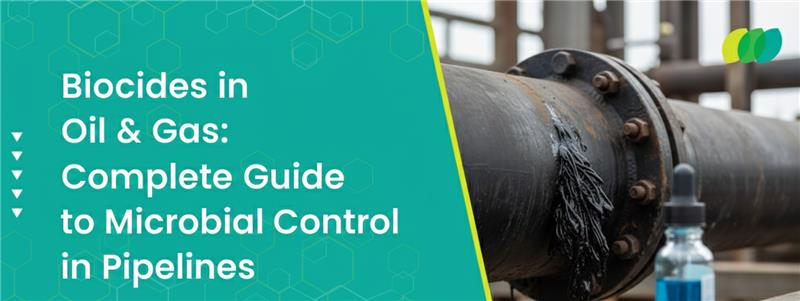
Microbial contamination costs the oil and gas industry billions every year. Sulfate-reducing bacteria (SRB), acid-producing bacteria (APB), and biofilm colonies silently corrode pi...
Corrosion drains the oil and gas production industry of an estimated $1.372 billion every year, according to a NACE International (now AMPP) study. That figure splits into $589 million for surface...
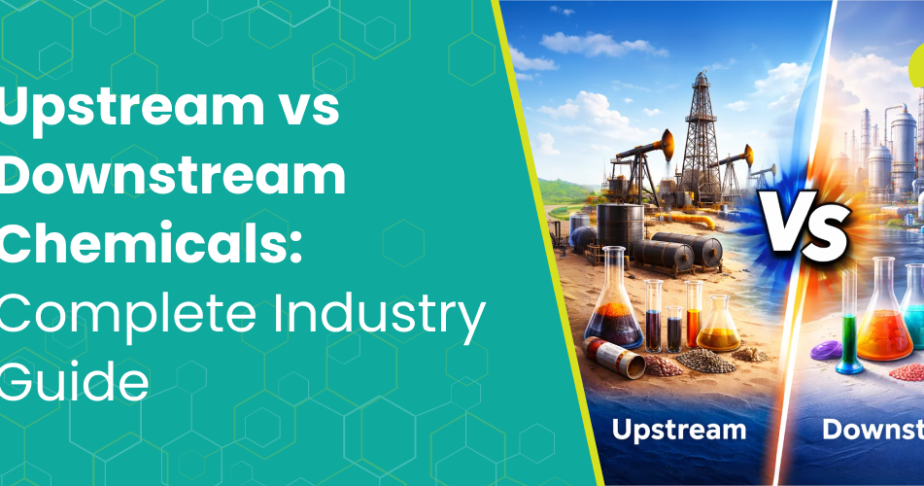
The chemical industry powers modern civilization, yet most decision-makers struggle to distinguish between upstream and downstream chemicals. According to the National Association of Corrosion Enginee...
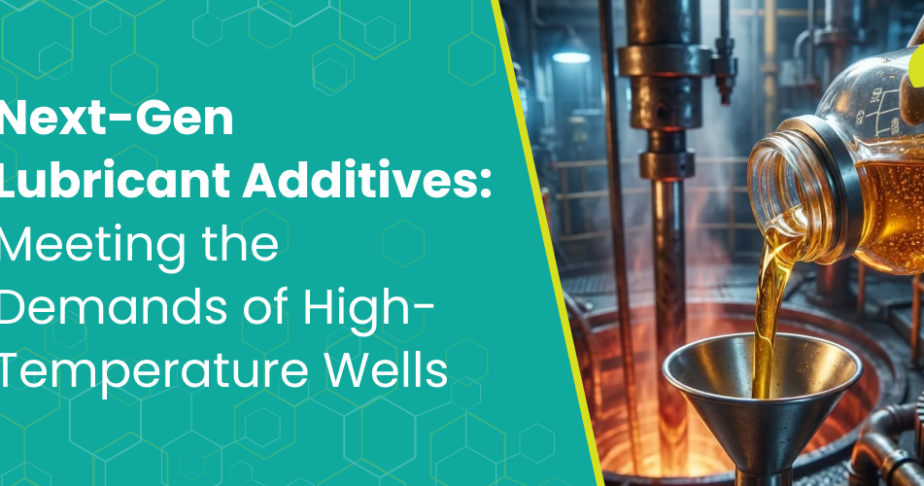
Drilling had to evolve as wells became deeper, and heat quickly emerged as a major challenge. Lubricants in drilling machinery are now exposed to temperature levels that were uncommon a decade ago....
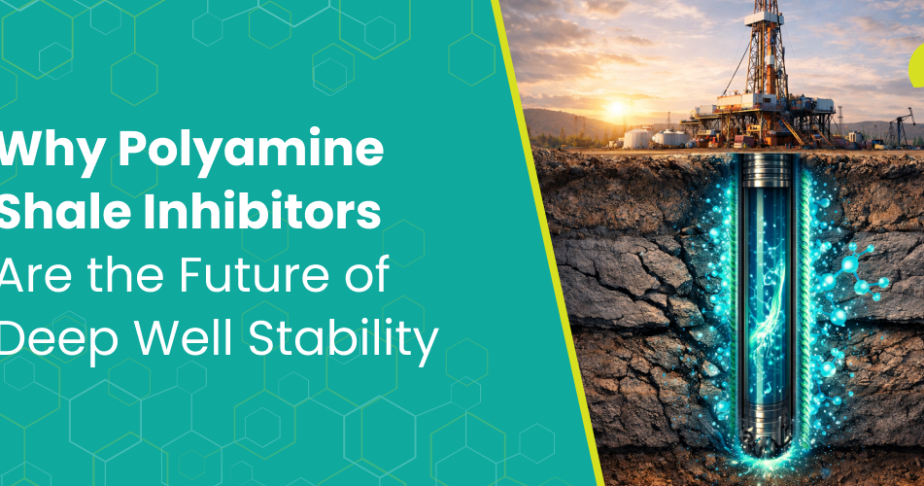
Shale instability drains billions from drilling budgets every year. Wellbore collapse happens. Pipes get stuck. Operations stop without warning. Most problems start the same way: reactive clay formati...
Oilfield operations depend on effective lubrication to keep heavy equipment running smoothly. However, growing environmental awareness is pushing the industry to rethink how lubrication is achieved....
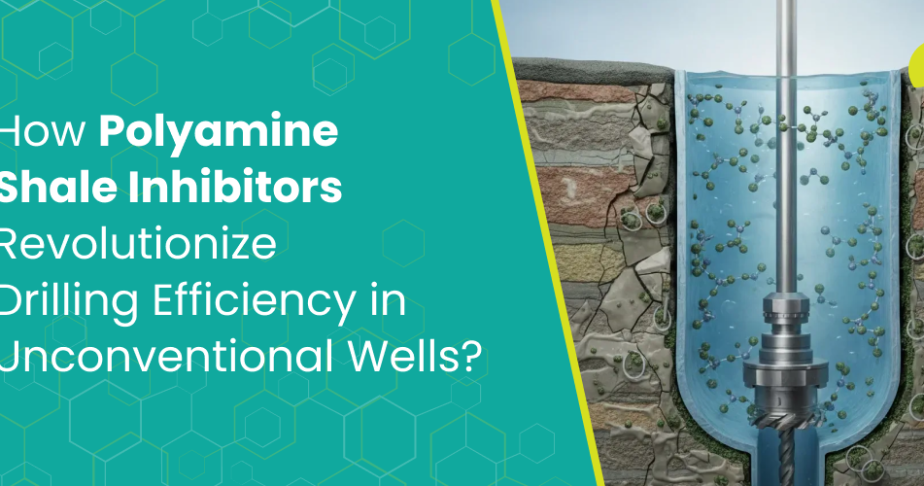
Shale drilling has grown fast, but one problem keeps showing up. Water gets into the formation and causes swelling. The wellbore becomes unstable. Operations slow down or stop completely. To overco...
Performance enthusiasts and automotive professionals constantly seek solutions to enhance engine efficiency and prevent knocking. Engine knock, pre-ignition, and power loss plague high-performance veh...
Drilling rigs break down when metal grinds against metal under extreme heat and pressure. The cost of a single bearing failure can shut down operations for a day. Base oil alone cannot prevent this da...
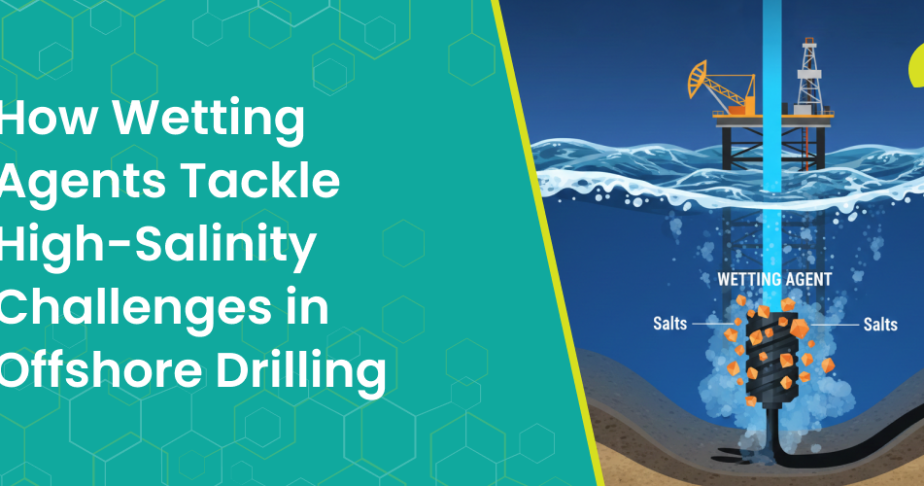
Offshore drilling operations deal with salt. A lot of it. Seawater carries a high concentration of dissolved salt. Some formations push that number even higher when you factor in naturally occurring b...
Quick Answer: Fuel additives are specialized chemical compounds that prevent cold-weather fuel problems by stopping paraffin crystallization and water freezing in fuel systems. Pour point depressants...
Getting oil and gas out of tight formations has always been challenging. Stimulating a barely permeable rock is a delicate process, and unnecessary repeated treatments should be avoided. Wetting agent...
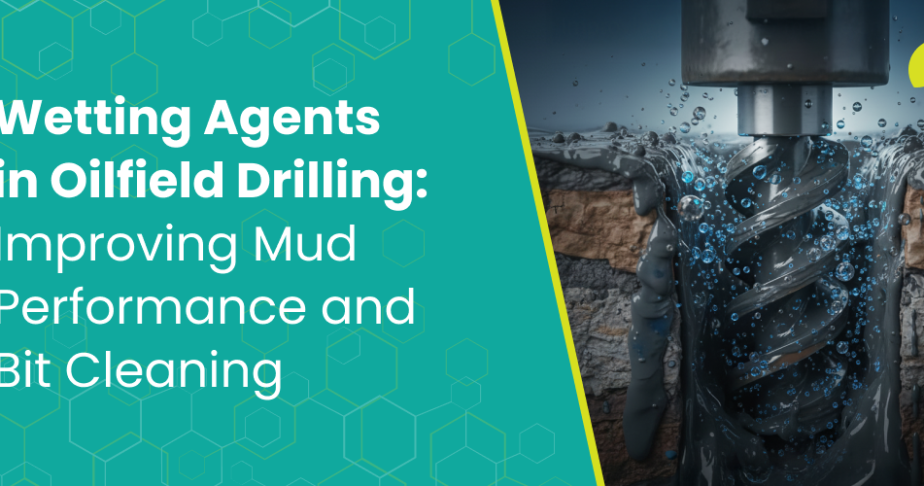
Drilling operations face a persistent challenge that costs the industry millions annually: inadequate mud performance. When drilling fluids fail to properly wet drill cuttings and formation surfaces,...
The transportation sector stands at a critical crossroads between environmental responsibility and operational efficiency. As industries and governments work to meet ambitious carbon reduction targets...
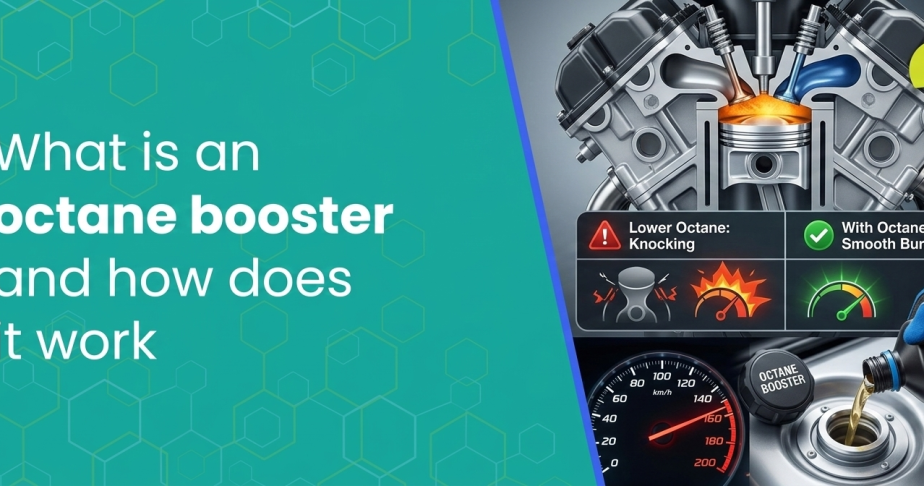
Quick Answer: Octane boosters deliver power by preventing engine knock in high-compression engines. They raise octane ratings by 2-8 points, matching or exceeding premium fuel performance. For modifie...
Engines burn fuel to generate power. But the combustion process has flaws. Part of the fuel does not completely burn. Emissions increase. Performance gradually declines over time. Fuel additives ar...
When it comes to vehicles, two things often matter the most – fuel economy and power. Discussions about cars usually revolve around two things: fuel economy and power. The engine needs to go far but...
Are extreme underground conditions slowing down your drilling operations or driving up your costs? If so, you are not alone. Mostly every drilling team faces the same challenge — tackling relentl...
Water-in-oil drilling fluids are the backbone of efficient well operations. They provide stability, reduce risks, and ensure projects move forward without costly interruptions. The global drilling flu...
Drilling in HPHT wells is extremely challenging and pushes every component to its limit. Rigs, crews, and drilling fluids all face intense pressure and heat. Often, the real challenge lies not in stee...
Unconventional basins are not simple places to drill. The rock is reactive, the fluids interact differently, and the risks tied to wellbore stability are high. For operators, the biggest troublemak...
High-performance engines are built for power. They are tuned to deliver more speed, sharper response, and stronger acceleration than a standard car engine. The more advanced the engine, the more sensi...
Generally, drilling through shale is not easy. The rock tends to absorb water, it swells, and at times it breaks apart. This leads to clogged systems, stuck pipes, and unstable wellbores that cause co...
If you work with engines – real ones, not hypothetical ones on a spreadsheet – you already know: knocking ruins everything. Efficiency, cost, safety, all of it. So what do people turn to when regu...
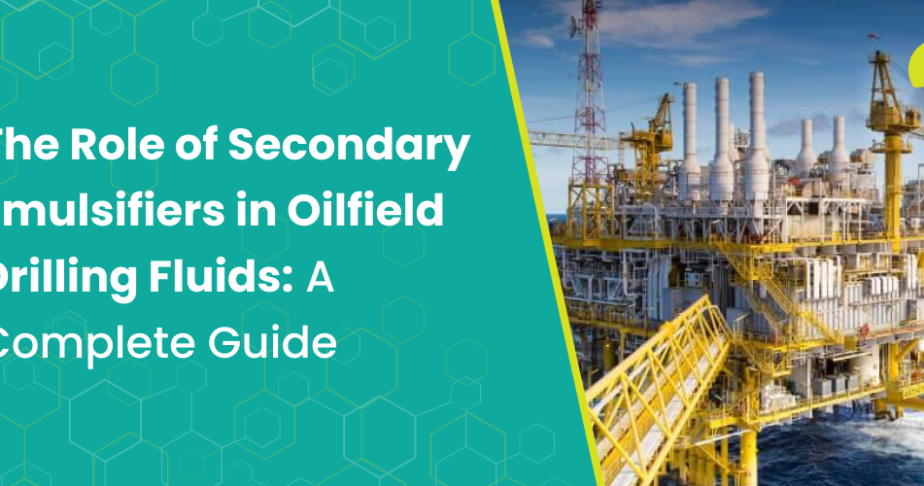
In drilling, nothing in the mud stays together by chance. Something has to hold it steady. That job falls on emulsifiers. They work in silence, and without them, the oil-based or invert emulsion fl...
If you have worked with reactive shales, you already know the struggle. One wrong choice in the drilling mud treatment chemicals, and suddenly your borehole starts acting up. Swelling. Tight spots....
High-pressure. High-temperature. High risk. That sums up the challenge of drilling in deep oil wells. Everything below the surface gets more intense. The heat. The pressure. The chemical reactions....
Working in high-pressure, high-temperature (HPHT) wells? Then, you know one thing for sure – hydrate formation is not just a possibility. It is a serious risk, and if you do not manage it right, it...
If you are in the petrochemicals industry, you would deal with complex mixtures of fuels or chemicals and with pressure to enhance performance, without blowing up costs or timelines. That is where cer...
If you have worked on a rig—or even reviewed a daily drilling report—youknow this: things rarely go as planned. The bit gets stuck. The mud needsadjustment. Shale starts reacting. And suddenly, yo...
Drilling through shale might seem stable at first, but things can quickly go wrong. One moment things look fine, and the next, the formation starts swelling or sloughing off, or worse, it collapses al...
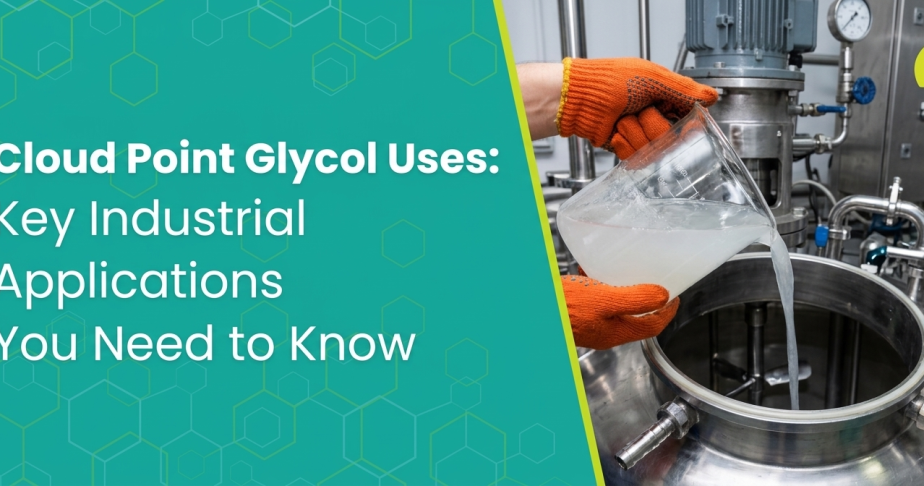
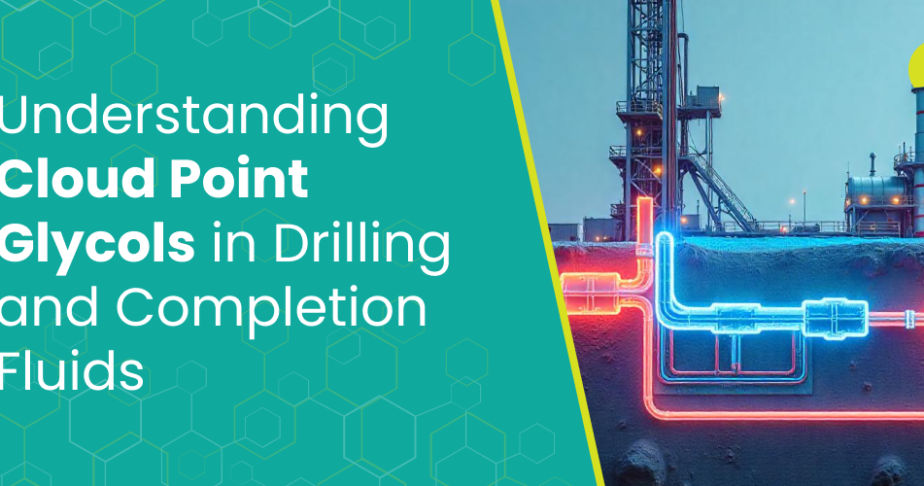
If you have ever dealt with a stuck pipes or high torque levels in directional wells, you know the feeling. It is not just frustrating – it is expensive. And risky as well. That is where Cloud Po...
Refineries and blenders use octane booster when fuel needs that extra knock resistance. But not all boosters are made equal. Some often clean combustion. Others bring deposit issues. Some are co...
Oil and gas operations do not happen in cozy environments. Think deep ocean floors. Arctic winds. Temperatures that would freeze most things solid. Yet, drilling and completion fluids are expected to...
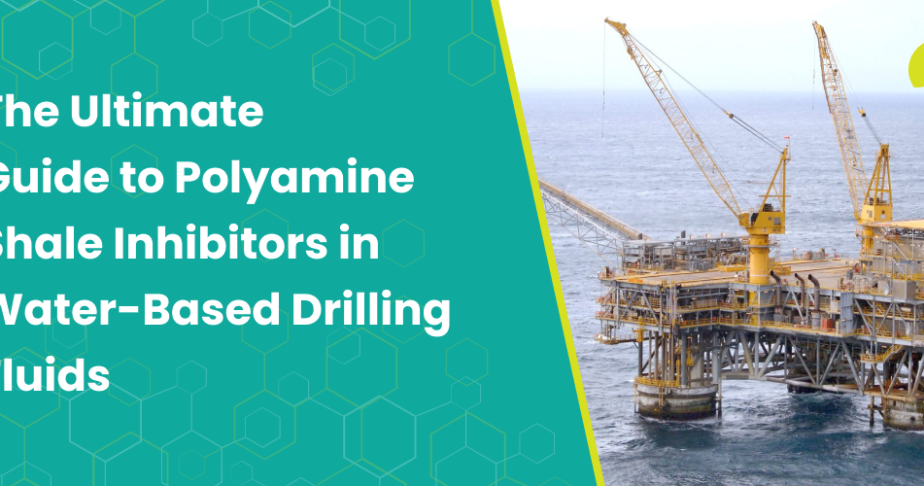
Drilling through shale formations is as challenging as walking on a tightrope. The slightest miscalibration, either by using an unsuited drilling fluid, can result in a whacking case of wellbore break...
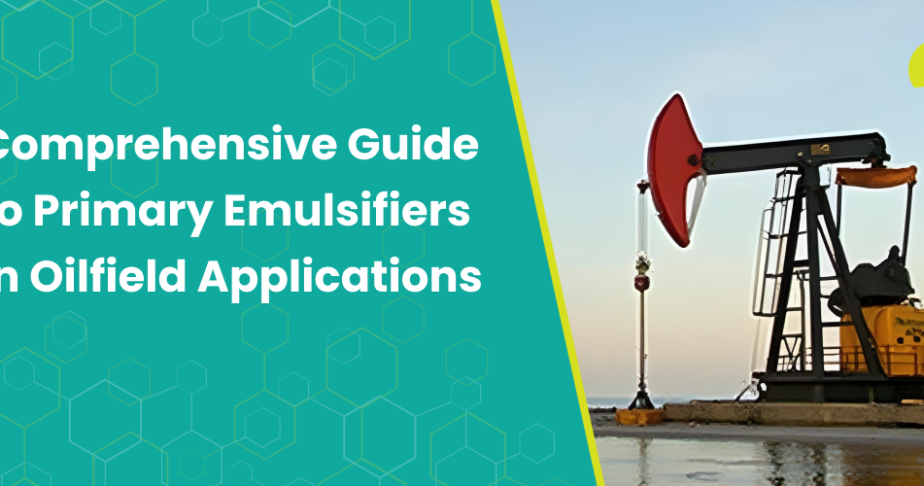
If you have ever wondered how oil and water are made to mix in the complex world of the Oilfield operation, the answer is connected to a little chemical magic – primary emulsifiers. This unsung hero...
Drilling fluid forms the foundation of oilfield operations, functioning as a crucial chemical mixture in this highly competitive industry. This fluid is responsible for cooling the drill bit, transpor...
In this modern world, fuel efficiency is not just a trend– it’s a necessity. With the increasing fuel prices and rising environmental concerns, industries are now finding ways that can help them w...
N-methylaniline is a compound that is used a lot in the oil & gas industry. It has a big role in enhancing fuel performance, stabilizing crude oil, and making the refining process better. It is a...
Think about the time in the future when vehicles run seamlessly, pollutants are reduced, and fuel consumption is efficient. That future is being shaped by N-Methylaniline: an advanced additive that im...
N-Methylaniline is an important chemical intermediate used for the manufacturing of fuel additives, agrochemicals, drugs, and dyes. Its unique properties make it an important component of different ty...