
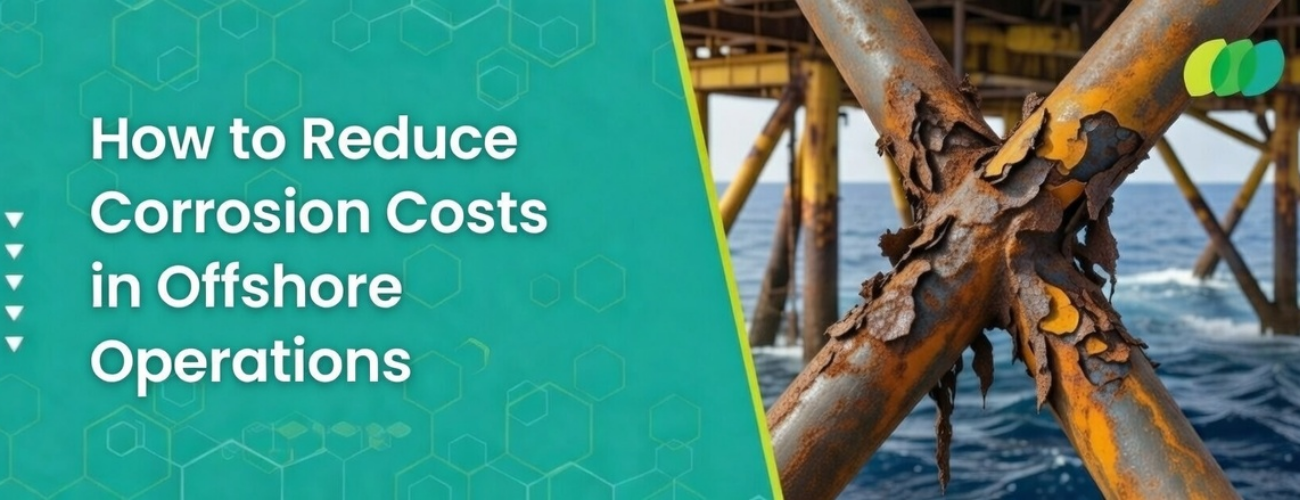
Corrosion drains billions from offshore oil and gas operations every year. NACE International estimates global corrosion costs exceed $2.5 trillion annually. Offshore platforms face the harshest corrosive environments on the planet. Saltwater, humidity, and chemical exposure attack metal structures relentlessly.
The financial burden extends far beyond simple metal repairs. Unplanned shutdowns halt production for days or even weeks. Safety incidents from corroded equipment carry enormous liability costs. Insurance premiums rise sharply after corrosion-related failures occur.
Smart operators now focus on prevention rather than costly reactive fixes. A well-designed corrosion management strategy pays for itself many times over. This guide breaks down actionable strategies that slash corrosion expenses significantly. Every section targets real-world offshore challenges with proven solutions.
Why Corrosion Costs Spiral in Offshore Environments
Offshore structures operate in extreme conditions around the clock. Constant saltwater exposure accelerates metal degradation at alarming rates. High humidity and temperature fluctuations create ideal corrosion conditions.
Splash zones — where air meets seawater — suffer the worst damage. These areas face continuous wet-dry cycling. Traditional maintenance approaches often fail in such harsh environments.
The remote location of offshore platforms adds another cost layer. Mobilizing repair crews and equipment requires massive logistics spending. Every hour of unplanned downtime costs operators thousands in lost production.
Key Factors That Drive Offshore Corrosion Expenses
Several factors push corrosion costs higher in offshore settings. Understanding these drivers helps operators target spending more effectively.
- Saltwater concentration — Chloride ions in seawater attack metal surfaces aggressively.
- Temperature extremes — Heat accelerates chemical reactions that cause corrosion.
- Microbiologically influenced corrosion (MIC) — Bacteria colonies on submerged structures produce corrosive byproducts.
- Galvanic corrosion — Contact between dissimilar metals triggers electrochemical reactions.
- Erosion-corrosion — High-velocity fluid flow removes protective surface layers.
- CO₂ and H₂S presence — These gases in production fluids cause severe internal corrosion.
Each factor demands a specific prevention strategy. A one-size-fits-all approach rarely works offshore.
Proven Strategies to Cut Corrosion Costs in Offshore Operations
Reducing corrosion expenses requires a multi-layered prevention approach. The best corrosion inhibitor strategy combines several methods for maximum protection. Here are the most effective techniques that leading operators deploy.
1. Advanced Protective Coatings
High-performance coatings create a physical barrier against corrosive elements. Epoxy and polyurethane systems dominate offshore coating applications. Recent innovations include carbon nanotube-reinforced coatings for enhanced durability.
These coatings extend asset life by 15–25 years when applied correctly. Surface preparation determines 80% of coating performance. Proper blasting and priming ensure long-term adhesion and protection.
2. Cathodic Protection Systems
Cathodic protection (CP) prevents corrosion on submerged metal structures. Two primary CP methods exist for offshore applications.
Sacrificial anode systems use zinc or aluminum anodes. These anodes corrode instead of the protected structure. They require no external power and need minimal maintenance.
Impressed current cathodic protection (ICCP) uses an external power source. ICCP systems protect larger structures more efficiently. They offer adjustable protection levels for varying conditions.
Most offshore platforms combine both systems strategically. Sacrificial anodes protect smaller components. ICCP systems handle major structural elements.
3. Corrosion Inhibitor Chemicals for Oil and Gas
Oil and gas corrosion inhibitors form protective films on metal surfaces. These chemicals neutralize corrosive agents in production fluids. A reliable corrosion inhibitors manufacturer formulates products for specific offshore conditions.
Film-forming inhibitors create a hydrophobic barrier on metal. Neutralizing inhibitors adjust pH levels to reduce corrosive activity. Scavenger-type inhibitors remove dissolved oxygen and H₂S from fluids.
Operators looking to buy corrosion inhibitors should evaluate several factors. These include fluid chemistry, temperature range, and compatibility with existing systems. Working with a trusted corrosion inhibitor supplier ensures optimal product selection.
For a detailed breakdown of available formulations, explore this comprehensive guide on types of corrosion inhibitors for oil and gas.
Comparing Corrosion Prevention Methods: Cost vs. Performance
The following table compares major corrosion prevention methods for offshore operations.
| Prevention Method | Initial Cost | Maintenance Cost | Lifespan | Best Application Area |
| Epoxy Coatings | Medium | Low | 15–20 years | Topsides, decks, structural steel |
| Polyurethane Coatings | Medium-High | Low | 20–25 years | Splash zones, risers |
| Sacrificial Anodes | Low | Very Low | 5–10 years | Subsea structures, pipelines |
| ICCP Systems | High | Medium | 20–30 years | Large subsea infrastructure |
| Corrosion Inhibitor Chemicals | Low-Medium | Recurring | Continuous | Internal pipelines, production fluids |
| Stainless Steel Alloys | Very High | Very Low | 30+ years | Critical components, fasteners |
| FRP Composites | High | Very Low | 25–30 years | Gratings, handrails, secondary structures |
Operators should evaluate total lifecycle cost — not just initial investment. A higher upfront cost often delivers significant long-term savings.
How Do Corrosion Inhibitors Work in Offshore Systems?
Corrosion inhibitor chemicals protect metal through several mechanisms. Understanding these mechanisms helps operators choose the best corrosion inhibitor for each application.
Adsorption inhibitors attach directly to the metal surface. They form a thin molecular film that blocks corrosive agents. This film acts as a chemical shield against saltwater and acids.
Passivation inhibitors promote oxide layer formation on metal surfaces. This oxide layer resists further chemical attack. Chromates and phosphates fall into this category.
Precipitation inhibitors create an insoluble barrier on the metal. They react with dissolved ions to form a protective deposit. This method works well in high-salinity offshore environments.
A reputable corrosion inhibitor exporter provides technical guidance for selection. Product formulation must match the specific corrosive conditions at each offshore site. Dosage rates, injection points, and monitoring protocols all require careful engineering.
Choosing the wrong inhibitor wastes budget and leaves assets unprotected. Field trials and compatibility testing eliminate guesswork from the selection process.
Proactive Monitoring and Inspection Programs
Early detection prevents minor corrosion from becoming a major expense. Modern monitoring technologies provide real-time corrosion data from offshore platforms. Investing in advanced inspection tools reduces long-term repair budgets dramatically.
Ultrasonic thickness testing – Measures remaining wall thickness in pipes and vessels without shutdowns.
Radiographic inspection – Detects internal corrosion, pitting, and weld defects through X-ray imaging.
Electrochemical monitoring – Tracks real-time corrosion rates in pipelines and process equipment.
Intelligent pigging – Deploys smart devices through pipelines to map internal corrosion profiles.
Drone-based visual inspection – Reduces human risk while surveying large structural areas efficiently.
Corrosion drains billions from offshore oil and gas operations every year. NACE International estimates that global corrosion costs exceed $2.5 trillion annually. Offshore platforms face the harshest corrosive environments on the planet. Saltwater, humidity, and chemical exposure attack metal structures relentlessly.
The financial burden extends far beyond simple metal repairs. Unplanned shutdowns halt production for days or even weeks. Safety incidents from corroded equipment carry enormous liability costs. Insurance premiums rise sharply after corrosion-related failures occur.
Smart operators now focus on prevention rather than costly reactive fixes. A well-designed corrosion management strategy pays for itself many times over. This guide breaks down actionable strategies that slash corrosion expenses significantly. Every section targets real-world offshore challenges with proven solutions.
Risk-Based Inspection: Spending Smarter on Corrosion Management
Risk-based inspection (RBI) optimizes maintenance budgets intelligently. RBI prioritizes resources toward the highest-risk areas first. This data-driven approach replaces outdated calendar-based inspection schedules.
High-risk components receive frequent, thorough inspections. Low-risk items need less attention and fewer resources. This targeted strategy eliminates wasteful blanket inspection programs entirely.
Operators implementing RBI report 25–40% reduction in inspection costs. They also experience fewer unplanned shutdowns and better regulatory compliance. RBI programs integrate seamlessly with digital asset management platforms.
Classification societies like DNV and Lloyd’s Register endorse RBI methodologies. Their frameworks provide structured guidelines for offshore corrosion risk assessment.
Environmental Controls That Prevent Corrosion Buildup
Controlling the operating environment reduces corrosion attack significantly. Several environmental strategies deliver strong results offshore.
Humidity control in enclosed spaces prevents condensation on metal surfaces. Dehumidifiers and ventilation systems keep moisture levels below critical thresholds. This simple step dramatically slows atmospheric corrosion rates.
Salt deposit removal through regular washing prevents chloride accumulation. Automated wash systems clean structural surfaces on scheduled cycles. Clean surfaces resist corrosion far better than salt-encrusted ones. Many operators schedule weekly freshwater rinses for exposed topsides equipment.
Proper sealing of connectors and tubing prevents seawater intrusion. Jacketed systems protect sensitive instrumentation and electrical components. Seal integrity checks should follow a regular maintenance schedule. Failed seals allow moisture into critical systems and accelerate hidden corrosion.
Ventilation upgrades in storage and machinery compartments also help significantly. Proper airflow prevents stagnant, moisture-laden air from settling on surfaces. Combining ventilation with dehumidification creates a robust atmospheric protection system.
Material Selection: Investing Upfront to Save Long-Term
Choosing corrosion-resistant materials during the design phase saves enormous costs later. Material selection impacts the entire lifecycle cost of offshore assets. Engineers must balance material performance against budget constraints carefully.
Material upgrades at the design stage cost 10–15% more upfront. However, they reduce maintenance spending by 40–60% over asset lifetime. The return on investment becomes clear within the first five operational years.
Many operators now specify duplex steel for all seawater-exposed piping. This eliminates recurring coating and inhibitor costs for those systems entirely.
Building a Comprehensive Corrosion Management Program
A structured corrosion management program ties all strategies together effectively. Successful programs follow a clear, phased framework for implementation.
Assessment phase — Conduct thorough corrosion audits across all assets. Identify high-risk areas and current protection gaps systematically. Document baseline corrosion rates for future comparison and trend analysis.
Strategy development — Select the right combination of prevention methods. Match each method to specific environmental and operational conditions precisely. Working with an experienced corrosion inhibitor supplier streamlines chemical selection considerably.
Implementation — Deploy coatings, CP systems, and corrosion inhibitor chemicals systematically. Train operations and maintenance teams on proper application techniques thoroughly. Establish monitoring protocols for ongoing performance tracking across all assets.
Review and optimization — Analyze corrosion data quarterly to assess program effectiveness accurately. Adjust strategies based on field performance data and evolving conditions. Operators who buy oil and gas corrosion inhibitors should review product performance regularly.
Continuous improvement separates good programs from truly exceptional ones. Benchmarking against industry standards keeps corrosion management practices current and effective.
Conclusion
Offshore corrosion costs drop significantly with proactive, multi-layered prevention strategies. Combining advanced coatings, cathodic protection, and oil and gas corrosion inhibitors delivers the strongest defense. Smart material selection and risk-based inspection further optimize spending. A trusted corrosion inhibitors manufacturer provides the right chemical solutions for every offshore challenge.
Frequently Asked Questions
1. What causes the most corrosion damage on offshore platforms?
Saltwater exposure in splash zones causes the most severe damage. Continuous wet-dry cycling accelerates metal degradation faster than fully submerged or dry areas.
2. How often should offshore operators inspect for corrosion?
Risk-based inspection programs determine optimal frequency. High-risk components may need quarterly checks, while low-risk items require annual or biennial inspection only.
3. Can corrosion inhibitors replace protective coatings?
No — corrosion inhibitor chemicals complement coatings rather than replace them. The best results come from combining both methods within a layered prevention strategy.
4. What makes a corrosion inhibitor supplier reliable for offshore use?
A reliable supplier offers products tested under offshore-specific conditions. Technical support, consistent quality, and regulatory compliance are essential selection criteria.
5. How much can operators save with a proactive corrosion program?
Industry data shows 20–40% savings on total corrosion-related costs. Prevention programs reduce unplanned downtime, repair expenses, and production losses significantly.