
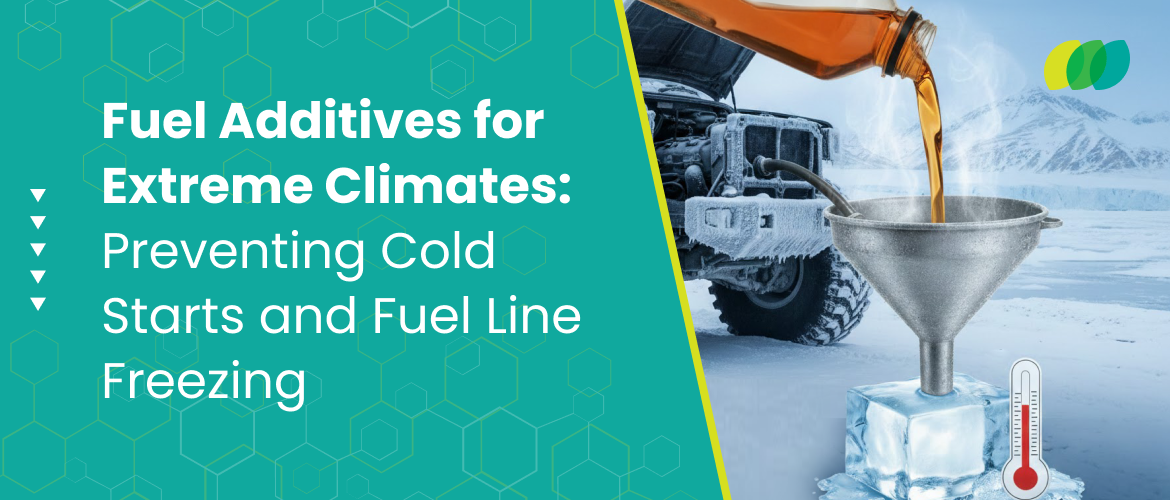
Quick Answer: Fuel additives are specialized chemical compounds that prevent cold-weather fuel problems by stopping paraffin crystallization and water freezing in fuel systems. Pour point depressants and anti-gel additives keep fuel flowing in extreme temperatures, ensuring reliable equipment startup and preventing costly winter downtime for fleet operations in cold climates.
When severe winter conditions set in, companies operating in cold regions often receive urgent reports from fleet managers that equipment will not start. The fuel is sitting right there in the tank, but it just will not move. The lines have frozen solid. This is a recurring issue for many operators every winter, and it costs money that could have been prevented. The good news is there is actually a fix for this, and that fix is – Fuel additives.
Fuel additives address these cold-weather issues directly. If anyone is Fuel additives address these cold-weather issues directly. If anyone is managing operations where the temperature drops hard and stays there, it makes sense to understand what is actually going on and why these additives work. What are fuel additives? They are chemical formulations designed to modify fuel properties and enhance performance under challenging conditions.
Why Extreme Cold Affects Fuel Performance?
Here is the thing about fuel: when it gets cold. It does not behave the same way it does in normal weather. Diesel starts getting thicker as the cold rolls in. There is paraffin in diesel, and when temperatures drop, that paraffin crystallizes and separates out from the rest of the fuel. These crystals pile up in fuel lines and filters, blocking things so fuel cannot get through.
And if there is any water that has made its way into the fuel tanks, that freezes, too. It becomes solid ice. This is not something that happens randomly. It is a real physical thing that happens to fuel sitting in remote spots, warehouses, and yards where equipment sits for months at a time.
The problem is that fuel does not stay clean sitting in a tank. Moisture from the air gets into the system through condensation. Temperature swings throughout the day, and especially between seasons, cause water to build up inside the tanks. After a while, the fuel breaks down from being exposed and does not work the way it did when it was fresh.
Common Winter Fuel Problems
When cold weather hits, engines just will not turn over because the fuel system is blocked. Filters can clog with wax-like paraffin crystals that solidify in the cold. The injectors do not work properly because the fuel is too thick to spray. And if water gets into the fuel, it freezes completely and creates a solid wall that stops the fuel from reaching the engine. These are not rare problems or surprises. They are the same issues showing up every winter in cold regions.
Anyone managing a fleet in these areas knows exactly what is coming. The equipment stops running when the temperature drops. Work shuts down. Repairs get expensive and complicated fast. It is the same story repeating itself year after year unless something changes about how the fuel gets treated.
Role of Fuel Additives in Harsh Climates
This is where chemistry actually solves a weather problem. Fuel additives change how fuel behaves when temperatures drop significantly. Paraffin crystals do not form the same way. Water does not freeze solid in the same way. The fuel keeps flowing through the system even when outside conditions would normally make it congeal and stop everything.
From a business angle, this makes sense. Adding fuel additive costs relatively little compared to what a fleet sits idle. Even a single day of downtime is far more expensive than treating fuel for an entire month. A reliable fuel additives supplier or fuel additives exporter can provide consistent quality products that ensure winter operations run smoothly.
Pour Point Depressants: How They Actually Work
Pour point depressants prevent paraffin molecules from sticking together. When fuel gets really cold, paraffin naturally wants to cluster up and form solid structures. When the fuel freezes and stops flowing. A pour point depressant gets in the way of this clustering by coating the paraffin crystals before they can bond to each other.
Here is the thing, though. The chemical does not completely prevent crystals from forming. Instead, it stops the crystals from connecting in a way that would block fuel flow. So the fuel can be extremely cold, but it still stays liquid and pourable because the crystals stay separated. Different manufacturers develop their own formulations based on fuel types and climate requirements.
Fuel Additive Types and Their Winter Performance Benefits
| Additive Type | Primary Function | Temperature Range | Key Benefit |
| Pour Point Depressants | Prevents paraffin crystallization | -15°C to -40°C | Maintains fuel flowability |
| Anti-Gel Additives | Stops wax crystal formation | -10°C to -35°C | Prevents filter plugging |
| Water Dispersants | Manages moisture in fuel | All cold temperatures | Prevents ice formation |
| Cold Flow Improvers | Enhances low-temp viscosity | -20°C to -45°C | Ensures smooth fuel delivery |
What Pour Point Depressants Actually Change?
Without additives, diesel typically forms wax crystals at sufficiently low temperatures, and the threshold varies across fuel types. Add the right pour-point depressant, and that same fuel stays liquid even in extremely low temperatures. That advantage is the reason equipment stays running instead of sitting frozen in severe winter weather.
Pour point depressants manufacturers have figured out through lots of testing how much actually needs to go in. The amounts are small, but the results are big. Just a small change in the additive rate significantly alters how fuel behaves at cold temperatures. What is the best fuel additive? The answer depends on your specific climate conditions and fuel type, but quality products from a reputable fuel additives manufacturer ensure optimal performance.
Using Both Together for Real Protection
Pour point depressants handle the paraffin side. Most commercial operations that run well in extreme cold use both of these together. They figured out through doing this that just using one of them leaves gaps. When both are used, they cover the two main failure points.
Fleet operations that do proper fuel treatment with both types report fewer winter shutdowns. Equipment starts up reliably throughout the cold season. Maintenance becomes planned rather than emergency repairs during the worst weather.
What Actually Improves for Operations?
Equipment, in general, starts as expected. Fuel lines remain free of ice, preventing unexpected blockages. No filter is getting blocked by wax that might accumulate. Downtime is considerably lower in the winter. Maintenance has shifted from emergency damage control to planned preventive work.
Additionally, engines operate better when they are given fuel that moves easily through the system. Injectors are able to spray the fuel at the correct level. Fuel flows with significantly reduced resistance. Equipment is not getting overlooked due to the thick fuel or blocked systems. Overall, this leads to a significant reduction in long-term repair costs.
Ways to Prevent Fuel Failure in Winter
The strategy is quite easy and preventive. They treat the fuel before winter arrives. Operators need to determine the correct pour point depressant based on local climate conditions.
Most failures are the result of companies waiting too long. They are faced with a sudden winter situation, and at once, fuel will no longer flow. Equipment is at a standstill. A series of expensive emergency repairs is initiated without delay. Prevention, in essence, consists of the work done before the arrival of the cold weather. When you buy fuel additives, ensure you’re working with a trusted supplier who understands your operational needs.
Ready to Protect Your Fleet This Winter?
Don’t let cold weather shut down your operations. Explore our comprehensive range of fuel additives designed for extreme climates and ensure uninterrupted winter performance.
Conclusion
Extreme climates put constant pressure on equipment. Cold shuts down operations that are not set up right. Fuel additives provide that setup by changing how fuel works. Pour point depressants stop paraffin from gelling up.
Fleet managers operating in cold conditions treat fuel additives as a standard business practice, not something optional or experimental. Proper fuel treatment is how operations survive and work during extreme winters.
Frequently Asked Questions (FAQs)
Fuel additives are chemical compounds that modify fuel properties to prevent cold-weather problems like paraffin crystallization and fuel line freezing. They’re essential in winter to maintain equipment reliability and avoid costly downtime.
The best fuel additive depends on your specific climate and fuel type. Pour point depressants combined with anti-gel additives typically provide the most comprehensive protection for diesel fuel in extreme cold.
Yes, fuel additives from reputable manufacturers are formulated to be safe for all diesel engines when used according to instructions. They’re tested to ensure compatibility with modern fuel systems and emission controls.
Add fuel additives before winter temperatures arrive, ideally when temperatures first begin dropping below 10°C. Treating fuel preventively is far more effective than trying to treat already-gelled fuel.
You can purchase fuel additives from certified fuel additives suppliers, exporters, or directly from manufacturers. Look for suppliers with proven track records in extreme climate applications and proper certifications.